

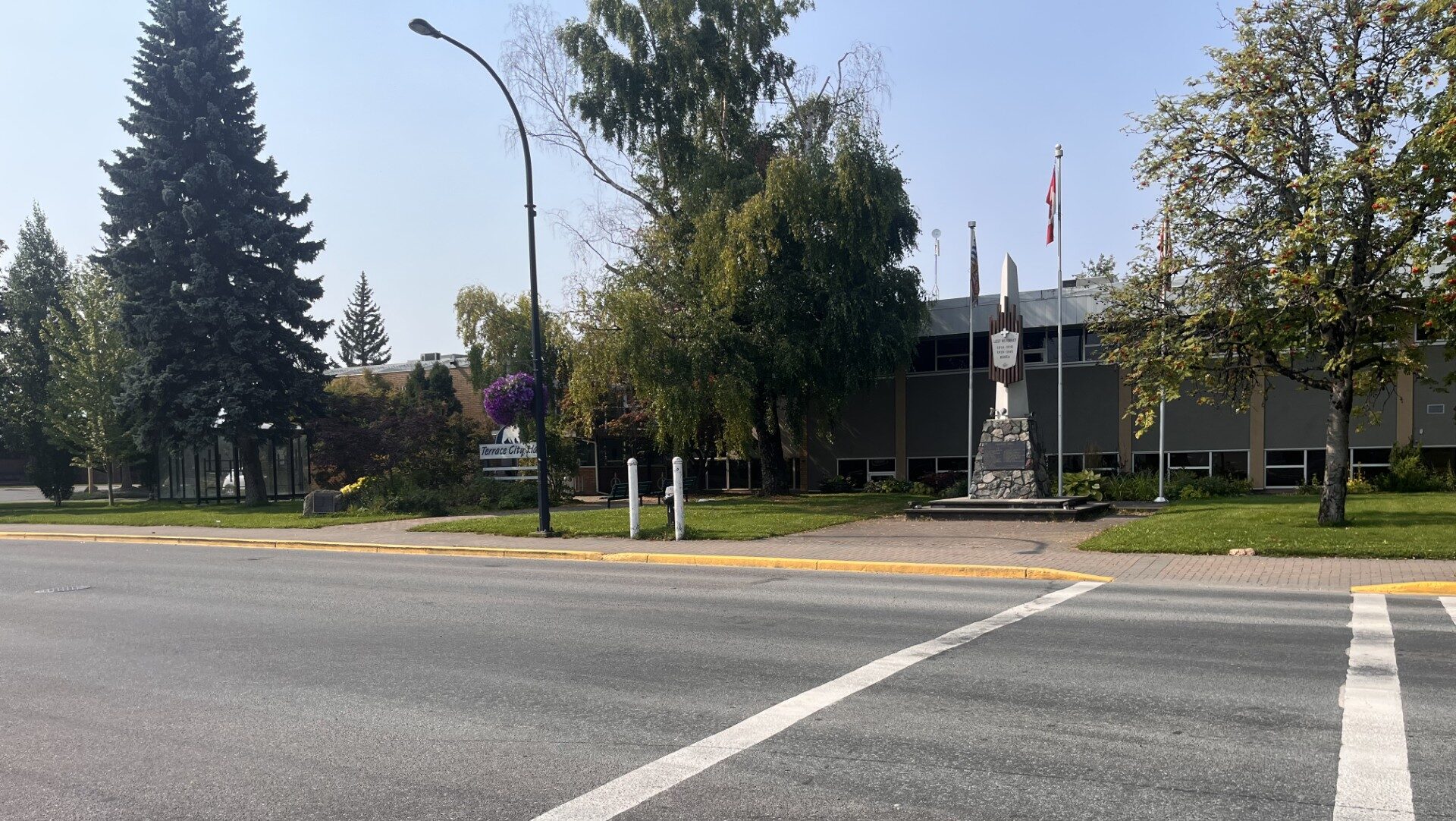

Terrace council is backing a regional call for a closer examination of the financial burden many rural and remote residents face when accessing health care.
At its Jun. 8 meeting, council approved a letter of support for a request from Daajing Giids Mayor Lisa Pineault, who is calling on federal and provincial officials, along with the Auditor General, to study the real costs faced by people who must travel long distances to receive medical care.
The issue was first brought before the Northwest Regional Hospital District, which has been encouraging local governments and organizations across the region to support the initiative.
In her letter, Pineault argues that residents in rural and remote communities face significant expenses when seeking specialized health services unavailable in their home communities. According to the letter, costs can include transportation, accommodations, childcare, lost wages, and extended time away from home.
Pineault notes that residents of Haida Gwaii do not have local access to services including “psychological and most mental health services,” “most diagnostics,” surgery, most cancer care and treatment, and many eye care and dental procedures.
“It is not uncommon for island residents not to proceed with the off-island appointments and procedures simply because of affordability,” Pineault wrote.
She added that “medical fundraising for individuals requiring travel to access health care is a regular occurrence in every community here.”
Pineault is calling for a comprehensive study, similar to B.C.’s Living Wage calculations, to determine the true costs associated with accessing health care in rural and remote regions. Her letter also urges governments to establish standards for reasonable geographic access to health services and examine whether current systems meet the principles of equitable health care access.
Speaking in support of the request during council’s discussion, Councillor Brian Downie said the concerns raised in the letter are well-founded.
“There are some services that are kind of our basic services, for instance, imaging, diagnostics, and in small communities, those are essential in order to prepare patients for elsewhere,” Downie said.
He added that the issue deserves greater attention.
“So from that perspective, I think that there is the need to raise the attention of health issues in rural and remote communities.”
Council unanimously approved sending a letter of support for the initiative.
If undertaken, the proposed study would examine travel requirements, service gaps and the financial impacts faced by residents in rural and remote communities across British Columbia.