


British Columbia’s government presented its budget Tuesday, featuring a record-high deficit, increased income taxes and a plan to rein in spending.
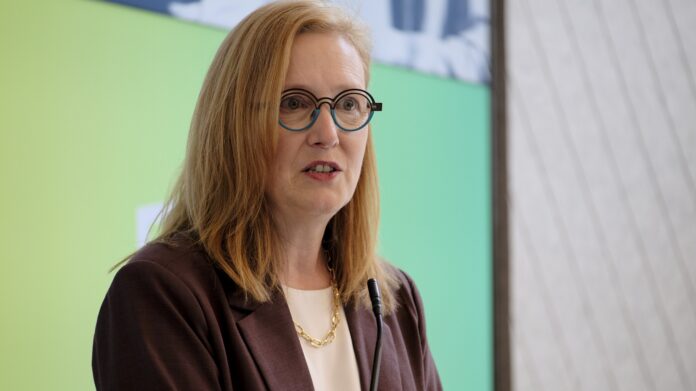
Finance Minister Brenda Bailey tabled Budget 2026, saying it is about “making difficult choices now to avoid more difficult ones later.”
Bailey stressed she does not consider it an austerity budget. She said the province is making “strategic investments” in areas such as health care and education and aims to protect front-line public services.
“Now is not the time to make big cuts,” she said.
The fiscal plan projects a $13.3-billion deficit in 2026-27, about $3.7 billion higher than the projected shortfall for the current fiscal year. The deficit is forecast to decline gradually over the three-year plan to $11.6 billion in 2028-29.
The government also plans to raise the tax rate for the first income tax bracket from 5.06 per cent to 5.6 per cent. The province said the move would cost the average taxpayer $76 this year.
Bailey said a $115 increase to the B.C. tax reduction credit means more than 40 per cent of taxpayers will see savings despite the higher tax rate.
She said the province remains focused on reducing the size of the public sector while maintaining front-line services. Bailey said the government expects to save $3.5 billion over the next three years by managing administrative and discretionary spending.
The province also plans to cut 15,000 full-time positions over three years, for expected savings of $2.8 billion.
The plan includes nearly $38 billion in taxpayer-supported capital spending, with a focus on health care, schools and transit.
More coming.